%20(Paisa.jpg)
10 Autism-Friendly Places in the U.S. for Family Travel (That Actually Work in Real Life)

Traveling with kids is already a logistical puzzle. Add sensory sensitivities, routine needs, or communication differences, and suddenly “just take a trip” stops being simple.
The good news: there are places getting it right. Not perfect—but thoughtful, prepared, and genuinely more inclusive.
This list isn’t about marketing promises. It’s about real features that make a difference for families traveling with autistic children.
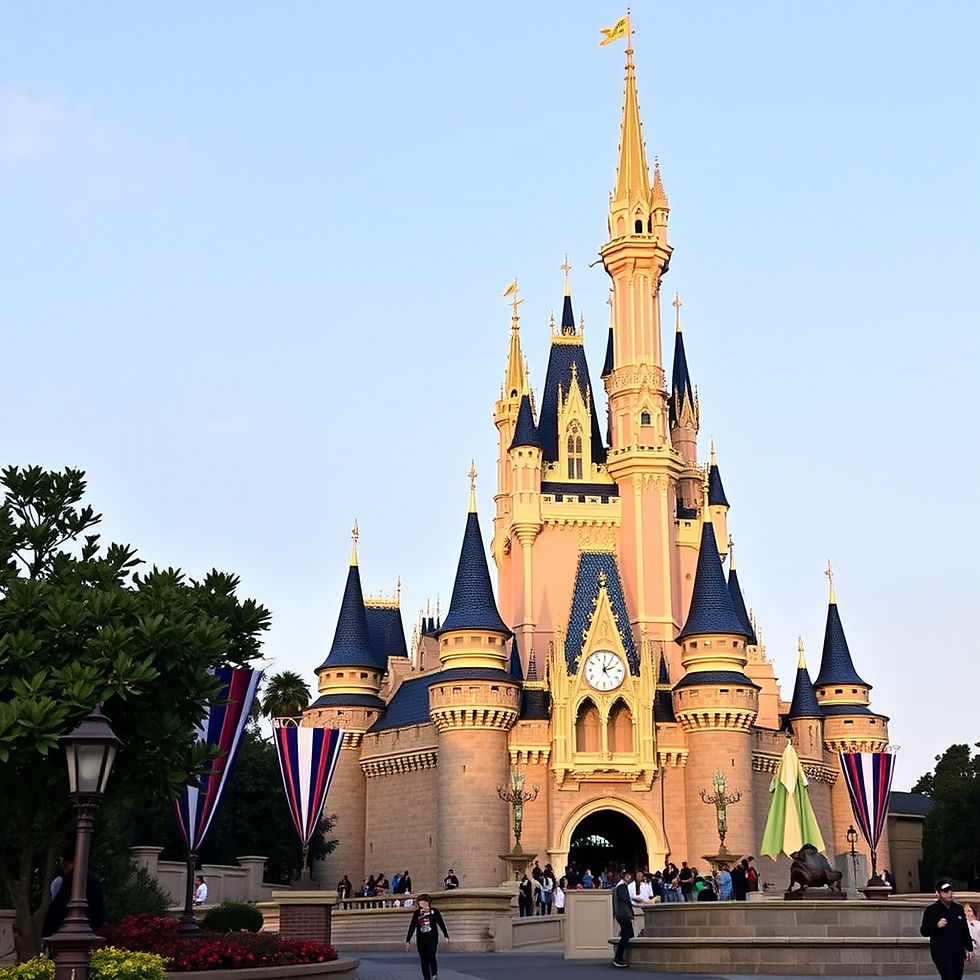
1. Orlando, Florida – Walt Disney World
Disney is one of the few places that has built accessibility into the experience.They offer Disability Access Service (DAS), quiet areas, rider switch, and staff trained to support different needs. It’s still busy—but it’s structured, predictable, and manageable with the right plan.
2. Boston, Massachusetts – Boston Children's Museum
This museum does a great job balancing stimulation and flexibility.They offer sensory-friendly programs, visual supports, and space to step away when needed.
It’s interactive without being overwhelming.
3. Pigeon Forge, Tennessee – Dollywood
A smaller theme park that feels more manageable than the big ones.They have calming rooms, a clear accessibility guide, and staff that are actually helpful.Crowds are typically easier to handle.
4. Seattle, Washington – Museum of Pop Culture
MoPOP offers sensory kits, low-stimulation hours, and flexible exhibits.
You can control the pace, which matters more than people think.
5. Chicago, Illinois – Shedd Aquarium
Certified autism-friendly through IBCCES.They provide sensory maps, quiet spaces, and clear navigation throughout the aquarium.Go on weekdays if you can—it makes a big difference.
6. San Antonio, Texas – The DoSeum
Designed with inclusive play in mind.Hands-on exhibits that can be adapted depending on the child’s comfort level. It feels thoughtful, not forced.
7. Philadelphia, Pennsylvania – Please Touch Museum
Fully inclusive by design.Calm rooms, supportive staff, and spaces that encourage exploration without pressure.
8. Washington, D.C. – Smithsonian National Air and Space Museum
Large, open spaces that allow for movement and breaks.They offer sensory resources and maps—ask for them when you arrive. It’s one of those places where you can adjust the experience as you go.
9. Mesa, Arizona – Arizona Museum of Natural History
Part of a city-wide initiative to become autism-certified.Predictable layouts, quieter environments, and trained staff make visits smoother.
10. Panama City Beach, Florida – Panama City Beach
An entire destination working toward autism certification.Many hotels, attractions, and even beaches are adapting to be more inclusive. It’s a good option if your family prefers open space over structured attractions.
What Actually Matters (and what to look for)
Not every “autism-friendly” label means the same thing. When choosing a destination, look for:
Quiet or sensory break spaces
Staff training (not just signage)
Predictable layouts and clear maps
Flexible experiences (not rigid schedules)
Lower crowd options or specific times
These details are what turn a stressful trip into a doable one.

Final Thought
You don’t need a “perfect” destination. You need a place that allows your family to move at your own pace.
That’s the difference.
If you want help planning a trip that actually works for your family—not just looks good online—reach out. I’ll help you build something realistic, comfortable, and worth the effort.


Comments