%20(Paisa.jpg)
Comprehensive guide for neurodivergent families visiting Walt Disney World Resort

🎢 1. Before You Go: Planning & Preparation
📅 Start Early & Set Expectations
Download official resources: Disney’s Accessibility Planning Guide and the Cognitive Disabilities Guide (for autism and related considerations) outline what to expect in parks, mobility/transit details, queue strategies, and sensory information.
Make a visual schedule at home — use printable icons, photos of rides, and times to help your family understand the day’s flow. This builds predictability and reduces anxiety.
Watch park videos together (YouTube ride-throughs, walk-arounds, Disney+ previews) so everyone knows what lights, noises, and crowds to expect.
🗺 Map & Route Familiarization
Study park maps and talk about where quiet spaces, first aid, and rest areas are ahead of time. This helps reduce fear of the unknown.
Pin key locations: Baby Care Centers, companion restrooms, and shaded areas for sensory breaks.
🧠 2. Official Accessibility & Neurodivergent Services
🪪 Disability Access Service (DAS)
The Disability Access Service (DAS) is designed for Guests who cannot tolerate conventional waits due to developmental needs (like autism) or similar challenges. Registration can be done online up to 60+ days before your visit or via video chat once you arrive. When approved, you’ll receive return times for attractions instead of standing in long lines.
📌 Important Policy Note: Disney updated DAS eligibility rules to focus on developmental disabilities and may require virtual registration; false claims can result in bans.
🧑🦽 Other Accessibility Tools
Even without DAS, Disney offers:
Rider Switch: lets family members take turns on rides without double lines.
Single Rider / Queue Re-entry: in specific cases, people with sensory needs can rejoin a line more flexibly.
Companion Restrooms & Quiet Spots: calm, low-stimulation bathrooms and spaces throughout parks.
First Aid Centers & Healthcare Services: quiet rest areas with basic care help.
🔕 3. Sensory & Emotional Support Strategies
🎧 Sensory Tools to Pack
Noise-canceling headphones or ear defenders — invaluable for parades, fireworks, or crowded areas.
Fidget toys, weighted blankets, favorite comfort items — familiar items can stabilize emotions.
Visual timers — help kids know when transitions (like lines or meals) will end.
🧭 Know When to Take Breaks
Schedule downtime in less crowded areas, Baby Care Centers, or your hotel room during peak sensory times (mid-afternoon).
Ask Cast Members where the quieter zones are — they know helpful spots beyond official lists.
🔇 Fireworks & Loud Shows
If loud noise is a trigger, choose spots further from speakers or watch from a distant viewing area (e.g., back of Main Street).
🍽 4. Dining & Physical Comfort
🍔 Familiar Foods & Dietary Considerations
Pack favorite snacks and special dietary options — familiar tastes can reduce stress.
Use Mobile Food Ordering via the app to limit time spent standing in queues for food.
💧 Hydration & Rest
Florida heat combined with sensory overload can escalate quickly — take drink breaks and stay shaded.
📍 5. Ride & Attraction Tips for Sensory Workers
🎡 Low-Stim Rides to Consider
Less sensory-intense rides can be a good intro to the parks:
Slow moving, gentle, visual attractions (e.g., gentle boat rides or shows).
Indoor attractions often have consistent lighting and sound levels — a reprieve from unpredictable outdoor crowds.
⚠️ Triggers to Know
Rides with sudden dark drops, loud noises, bursts of sound, or flashing lights can overwhelm some visitors — preview these at home and prepare accordingly.
📲 6. Real-Time Tools During Your Visit
📱 My Disney Experience App
Check wait times, make dining reservations, find restrooms, and view maps to plan calm transitions.
DAS return times and Genie+ features can be accessed in real time through the app.
🧑🤝🧑 Ask for Help
Cast Members are an incredible support — just ask if you need suggestions for calmer pathways, quieter dining spots, or break locations.
🧳 7. Day-of & On-Site Tips
🌞 Mornings & Evenings
Arrive early when parks are less crowded.
Consider returning to your hotel during hot, noisy, peak hours, then come back refreshed for evening shows.
📍 Quiet Anchors
First Aid and Baby Care Centers are great stops any time a meltdown or overload begins.
Eat meals in slower environments with seating and shade.
🧠 8. Post-Trip Reflection
After your trip, reflect with your family about what worked and what helped most — that helps future trips feel even easier.
🧞 Final Reminders
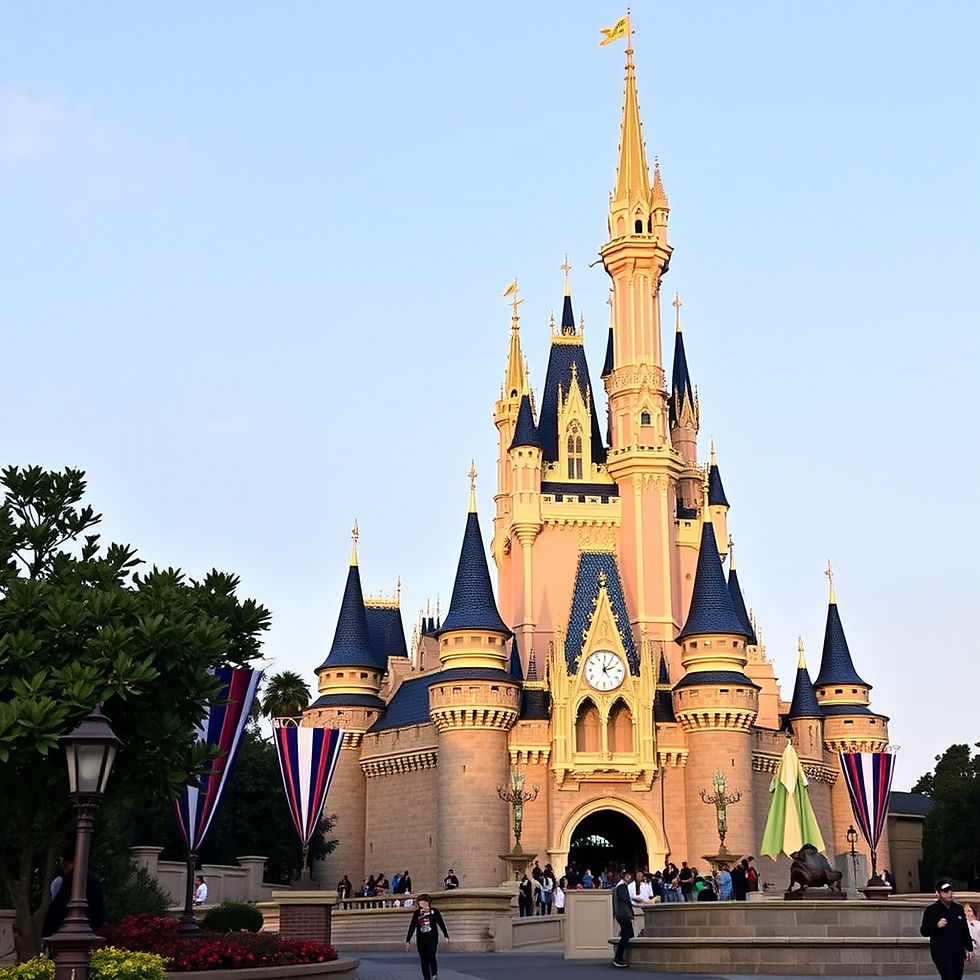
✨ Your neurodivergent family deserves the magic too. Disney provides tools + strategies — and your planning, predictable routines, sensory supports, and breaks knit it all into a joyful, unforgettable experience.


Comments